
The story
The night Orsino Jack lost his farm
A quiet farmer. A castle full of hungry demons. One night that changes everything — and seven ways it can end.
A simple life
Orsino Jack is not a hero. He is not a scholar, a knight or a chosen one of any kind. He is a farmer with calloused hands, a small plot of land and a routine he likes: tend the fields, mend the fences, sleep the sleep of someone with nothing to worry about. The game opens on this ordinary world in deliberate detail, because the contrast is the point — the more comfortable his farmhouse feels, the harder the fall.
The opening hour lets you live that quiet life at your own pace. You can poke around the farm, talk to the neighbours, and stock up on the small details that will matter later. Classic adventure design knows that every object has a purpose, and See No Evil respects that rule. The pitchfork on the wall, the pot of honey on the shelf, the letter half-hidden under the mat — none of them are decoration.
Whisked away
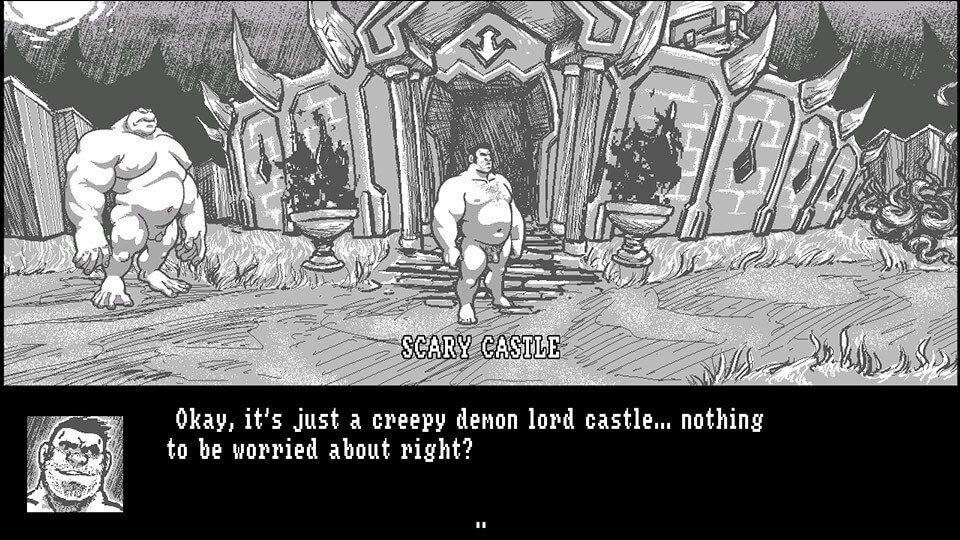
Then, one night, the quiet ends. Jack is taken from his bed and carried across the countryside to a castle that should not exist — a place of winding corridors, locked doors and residents who have been hungry for a very long time. He arrives with nothing but the clothes he was wearing, a head full of questions and the stubborn refusal to panic that will become his best survival tool.
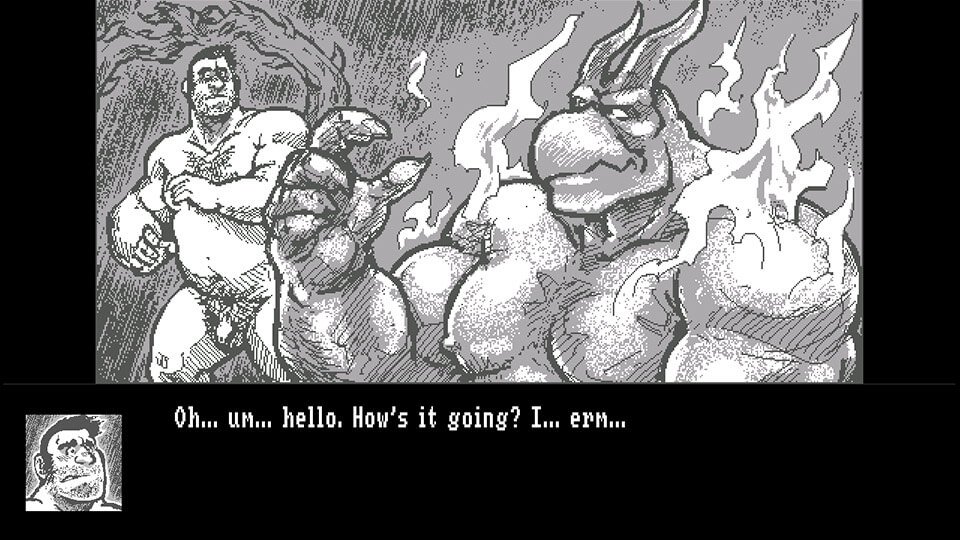
From here the game opens up into a classic point-and-click structure. You explore the castle room by room, collecting clues and objects, unpicking the politics of its demon residents and piecing together why you, of all people, were brought here. The story is told through more than a hundred and fifty illustrated panels — full scenes rendered in rich, expressive art that carries the mood between the interactive moments.
Demons with manners
The castle's demons are not mindless monsters. They are vain, bored, hungry and dangerously intelligent, and they treat Jack's arrival as entertainment. One demon in particular — the manipulative figure at the heart of the castle — enjoys games of words and wagers, and the story repeatedly asks the same question: how do you beat someone at a game they designed? The answer, the game suggests, is to change the rules.
RPGWatch's description of the game puts it neatly: See No Evil is, at its core, a story about turning a manipulative demon's tactics back on him. Flattery, bargains, feigned innocence and careful silence are all weapons. The writing has been widely praised for its wit and warmth, and the romance content grows naturally out of the dialogue — the demons you charm are characters first, lovers second.
Seven ways the night ends
Your choices throughout the night determine which of seven unique endings you reach. Some endings reward the honest path, others reward the schemer; a few are bittersweet, and at least one is genuinely surprising. Because the branching is driven by dialogue and small decisions rather than a single final choice, no two playthroughs feel the same.
That is the real draw of See No Evil. It is a game that expects you to pay attention, rewards you for being curious, and then asks you to decide what kind of person you want to be by morning. The farm may be gone, but the night is full of possibilities — and every one of them is yours to choose.